What is SEO? It is the work done on a website, and around it, so that it shows up in Google’s unpaid results when someone searches for what your company offers. The letters stand for Search Engine Optimization. You do not pay for each click: the position is earned by being the most useful and trustworthy answer to that search.
This page explains the concept and how it works under the hood, written for the person who runs a business rather than for someone who does this for a living. It is a definition, not a tutorial: if you are after the steps, they are in the guide on how to rank a website on Google step by step.
| Meaning | Search Engine Optimization |
|---|---|
| What it gets you | Visits from Google’s unpaid results |
| Do you pay Google? | No. You invest work, not clicks |
| Usual timescale | Months, not days |
| Who it is for | Any business whose customers look for it on Google |
What SEO is, without jargon
When someone types “emergency plumber in Sabadell” or “accountant for freelancers in Girona”, Google shows two kinds of result: ads, labelled “Sponsored”, and organic results, which nobody has paid to occupy. SEO is everything you do to be among the second group.
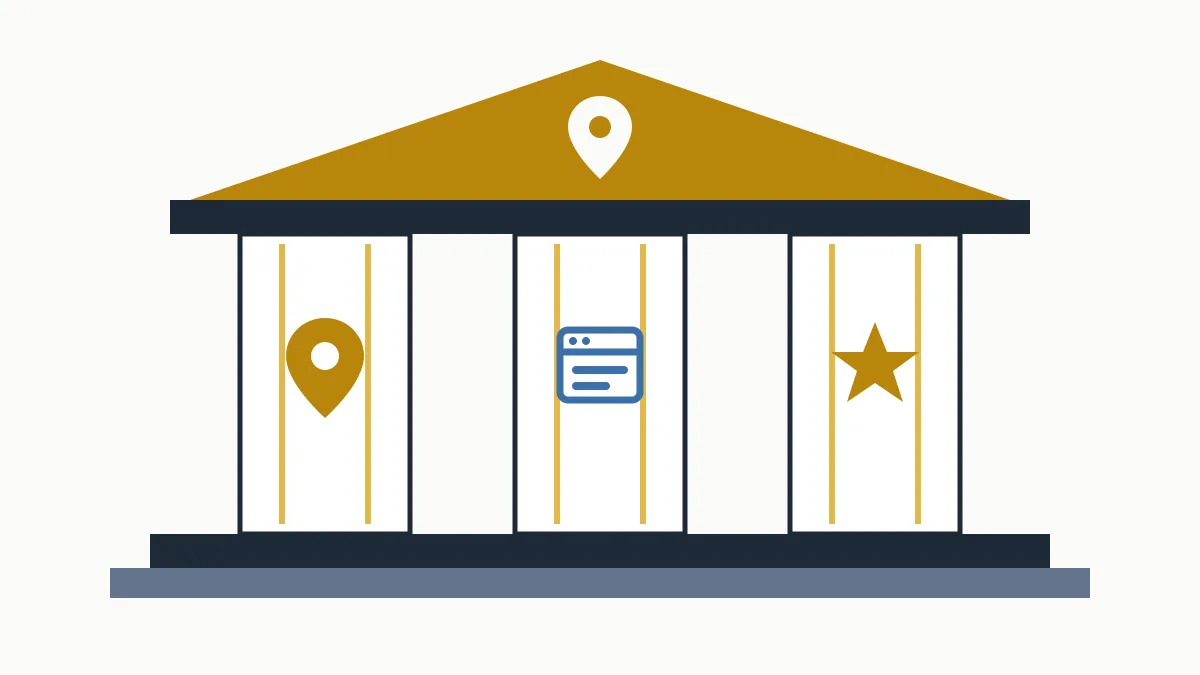
In practice it is three jobs at once: making sure Google can read your site without stumbling, making each page answer one specific search better than the others, and having the rest of the internet back up that you are a business worth trusting.
How SEO works: what Google does with your site
Google works in three stages, and SEO acts on all three:
- Crawling. Automated programs (Googlebot) travel the web by following links and discover new or changed pages. If a page receives no links or is blocked, Google may never see it.
- Indexing. Google analyses the text, images and structure of each page and decides whether to store it in its index. Not everything it crawls gets indexed.
- Ranking. For each search, it picks from the pages in the index and orders them by how well they answer what the person wants, their quality, how usable they are and the searcher’s context (location, language, device).
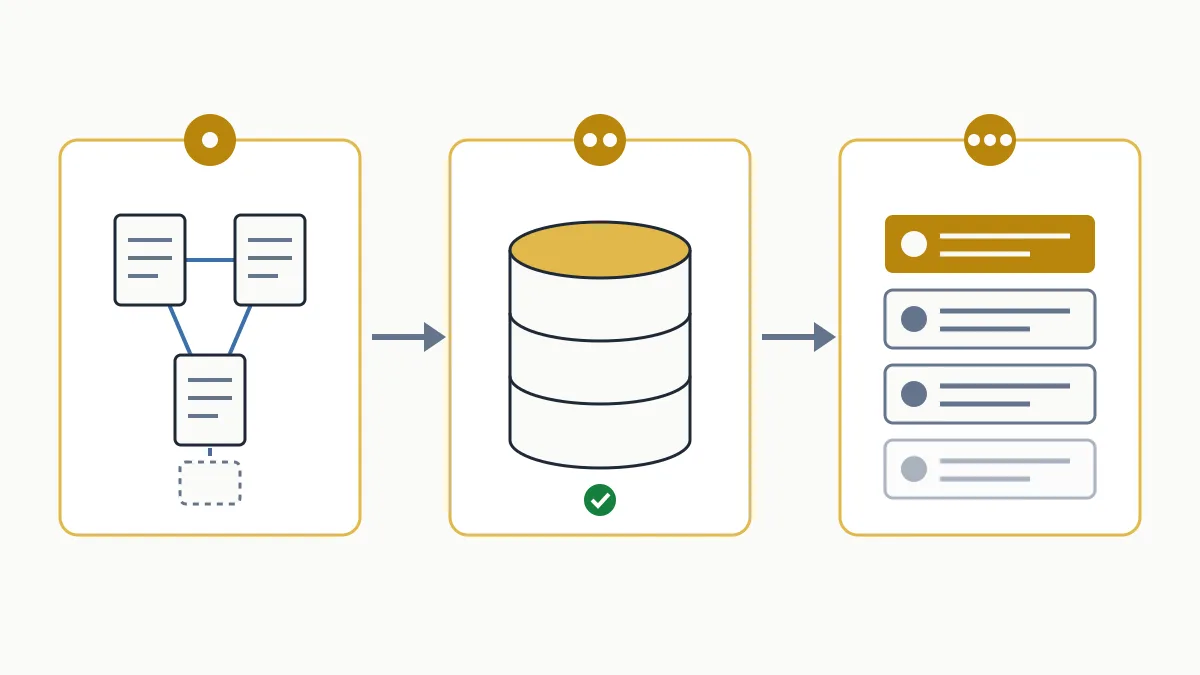
The practical consequence: a site can fail at any of the three stages and the symptom is always the same (“I don’t show up on Google”), but the fix is different. A shop in Terrassa whose product pages Google never crawls does not have the same problem as a law firm in Lleida whose services page is indexed but talks about everything and nothing.
The three parts of SEO
It is usually split into three blocks that are worked on together:
| Part | Question it answers | Example in a small business |
|---|---|---|
| Technical SEO | Can Google crawl and index the site? | The site loads fast on mobile and has no pages blocked by mistake |
| On-page SEO | Does Google understand what each page is about? | The “bathroom renovations in Tarragona” page is about exactly that, with its own title and content |
| Off-page SEO | Does this business deserve trust? | Other sites in the sector link to it and customers leave reviews |
Technical SEO is the foundation: without it, nothing else is seen. On-page SEO is what you optimise inside each page: content, title, headings and internal links. Off-page SEO is the set of signals that come from outside your site, such as links, mentions and reviews.
If your customers are nearby (a restaurant, a clinic, a garage), local SEO is added on top, built around your Google Business Profile and the map; the practical side is in our SEO guide for local businesses.
SEO and ads are not the same thing
With Google Ads you pay for each click and appear from day one; when you stop paying, you disappear. With SEO you do not pay for the click, but it takes time to get there and the work has to be kept up. They do not compete: many businesses use ads to get enquiries now and SEO so they do not depend on ads forever. Where to invest first is covered in SEO vs Google Ads.
What a small business can expect from SEO (and what it cannot)
- Yes: visits from people who are already searching for what you sell, not people you interrupt with an ad.
- Yes: an asset that builds up. A well-ranked page keeps bringing visits without paying for each one.
- No: immediate results. Expect to talk in months; realistic timelines are in how long SEO takes to work.
- No: guaranteed first position. Nobody controls Google’s algorithm, and Google itself warns against anyone who promises the number one spot.
- No: magic with no business behind it. If the service, the price or the customer care fall short, more visits only show that to more people.
What I would ask of any provider is to measure in enquiries and sales, not just positions. A page that climbs from eighth to third for a search nobody makes has achieved nothing.
The misconceptions about SEO I run into most
- “It’s about adding keywords.” Repeating a term does not rank; answering the search well does.
- “You do it once.” Competitors publish, Google changes and so does your business.
- “I already show up: I search my name and there I am.” Ranking for your own brand is the minimum. SEO is about appearing when people search for the service without knowing you.
- “A good-looking website is enough.” Design does not make Google understand a page with almost no text.
- “Buying links fixes it.” It goes against Google’s guidelines and can end in a loss of visibility.
Where to start if you run a small business
Before touching anything, three checks that cost nothing: add the site to Google Search Console and see which searches you already appear for; search for your main services on Google as a customer would and note who shows up; and check whether each service has its own page. That already tells you which of the three stages you are failing at.
If you would rather have us look at it, the free initial analysis tells you where your site stands today and what to do first.
Frequently asked questions
What does SEO stand for?
Search Engine Optimization. It is also called organic search or web positioning: the set of tasks that make a website appear in Google’s unpaid results.
Is SEO free?
You do not pay Google to appear in organic results, but it costs work: your own hours or a professional’s to improve the site, the content and the reputation of the business.
How long does SEO take to show results?
It depends on how competitive the search is and on the state of the site. Expect months, not days or weeks; be wary of anyone promising immediate results.
What is the difference between SEO and SEM?
SEO works on organic results, which are not paid per click. SEM is usually used for paid search advertising, such as Google Ads, where you pay for each visit. It is explained in what SEO and SEM are.
Can I do SEO myself or do I need an agency?
The basics can be done in-house: one page per service, clear copy, a complete Google Business Profile and Search Console set up. Outside help makes sense when there are technical problems, heavy competition or no time.
In short: SEO is getting Google to find, understand and trust your site so it shows you to people already looking for you. If you want to know where you stand, ask for the initial analysis and we will go through it with your site’s data.